Elgin · Bastrop County
Foundation Drainage in Elgin, TX
We do not repair foundations, but we do manage the water around them. Perimeter drains, corrected grade and extended downspouts keep soil moisture around a slab or pier-and-beam home steady, which reduces the swing between shrunken and swollen clay. If you see wall cracks or sticking doors, hire a structural engineer first and ask whether drainage work should come with the fix.
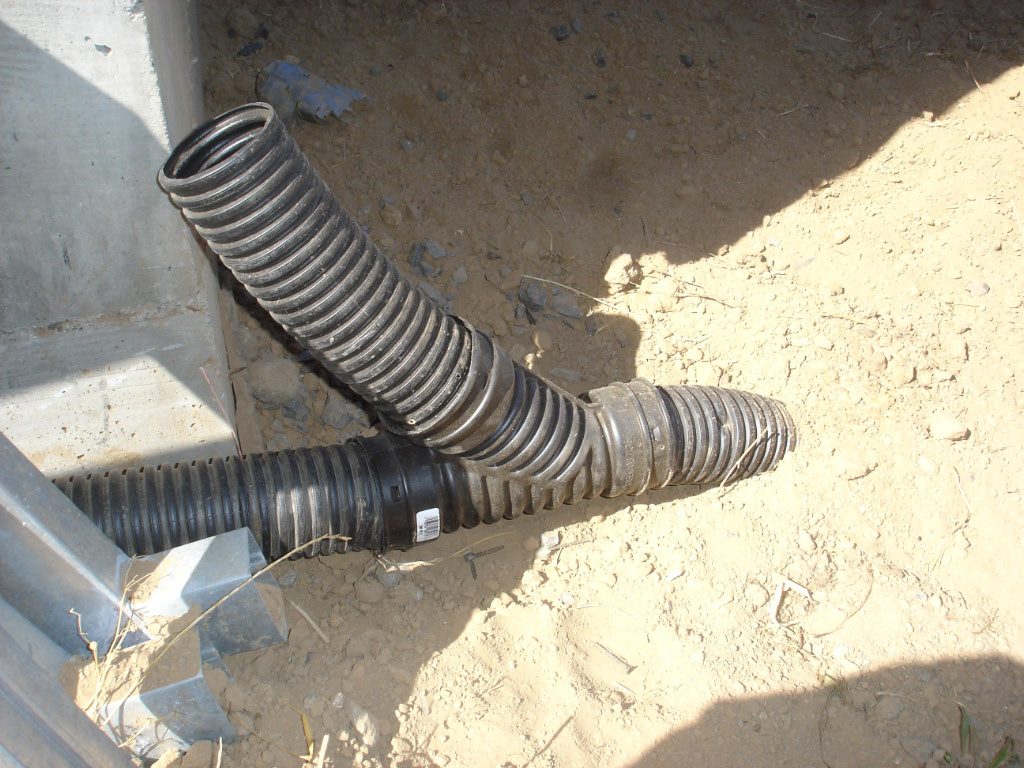
Foundation Drainage for Elgin homes
Elgin has two kinds of houses that need different thinking. Older homes in and near the downtown core are often pier-and-beam, where the floor sits above a crawl space. Newer homes on the edges of town are mostly slab-on-grade. Both can suffer when water collects against the foundation, but the signs differ. A crawl space may show damp soil, musty smells and sagging floors. A slab may show cracks, sticking doors and gaps at the trim. A walk around the house tells a lot. Check that the soil slopes away, that the ground near the slab is not higher than the interior floor, and that the downspouts discharge well away. Many Elgin homes have a flowerbed edging that traps water against the wall. Moving the bed edge or opening a gap can release it without any digging.
Foundation drainage is about managing water at the perimeter. That can include a French drain set beside the footing, grading that slopes away, gutters with long downspout extensions and surface drains where water collects. In Blackland clay, the goal is steady soil moisture. Clay that swells in wet months and shrinks in dry ones moves the foundation with it, and that cycle is what leads to cracks over time. Pay attention to hose bibs and irrigation heads near the wall. A leaking sprinkler head or a dripping spigot can wet the same patch of soil for months. In expansive clay, that constant moisture swells one side of the house while the other side dries out, and the difference puts stress on the slab or the piers.
Pflugerville Drainage Pros does not do structural foundation repair, such as piers or slab lifting under the house. If you see wide cracks, doors that will not latch or floors that slope, have a structural engineer or a foundation repair company evaluate it first. Drainage work then supports that repair by protecting the soil around it. Ask the City of Elgin or your HOA about any permit needs, and call 811 before trenching near the house. Foundation repair firms often make the call on whether drainage needs to be part of the plan. If they recommend it, the work is usually perimeter grading, gutters, downspout drains or a French drain in the problem area. We handle those drainage pieces and leave the structural side to engineers and repair companies.
What to know in Elgin
Pier-and-beam crawl spaces
Older Elgin homes with crawl spaces need good ventilation and dry soil underneath. Water that pools near vents or runs under the house raises humidity and can damage wood framing. Perimeter drains and corrected grading keep that water outside, though crawl space repairs themselves may need a specialist. Crawl space vents should stay clear of soil, mulch and plants so air can flow under the floor.
Slab edge moisture
On slab homes, the outer foot or two of soil carries the most seasonal change. A drain beside the slab evens out the moisture there. Soaker hoses during dry spells can also help, and some foundation companies recommend them as part of a maintenance routine. Slab homes should keep soil a few inches below the brick ledge or siding so water cannot wick in.
Evaluate before you dig
A drain does not diagnose a foundation. Before spending money on perimeter drainage, get an engineer or foundation company to say whether the movement is active. Their report also tells you what soil moisture pattern needs to be controlled. Brick-and-stone older buildings in the downtown area can carry heavy walls, so any digging beside them needs care and a call to 811.
Signs you may need foundation drainage
- Cracks, sticking doors or sloping floors that call for an engineer first
- Water pooling beside the slab for more than a day after rain
- Downspouts that end within a few feet of the house
- Soil or mulch built up above the bottom of your siding or brick
How foundation drainage works
Most homes around Pflugerville, Hutto and Manor sit on a concrete slab poured directly on the ground. Many newer slabs are post-tensioned, which means steel cables inside the concrete are tightened to help the slab resist movement. That design works best when the soil around and under it changes moisture slowly and evenly. Rain that runs off the roof and soaks in right at the slab edge does the opposite. It wets one side of the house while the other side stays dry, and the soil swells in one place and shrinks in another. Foundation drainage is the set of fixes that interrupt that cycle. The goal is simple. Catch roof water, move it well away from the house, and keep the ground beside the slab sloped so surface water leaves instead of ponding. We do not lift, pier or repair the structure itself. We work on the water.
Here is the soil problem in plain terms. East of I-35, much of the ground belongs to the Blackland Prairie, a belt of dark clay that includes the Houston Black series. The Texas Water Development Board describes Houston Black as one of the classic expansive soils in the world. Expansive means the clay swells when it soaks up water and shrinks and cracks when it dries. Over a wet spring followed by a dry August, the soil under a typical lot can rise and fall by an inch or more, and a slab riding on top of it moves along with it. You cannot stop clay from reacting to weather. You can reduce the difference between the wettest and driest spots around your house. That is what good drainage does. It keeps extreme moisture swings away from the footing line, which gives the slab and the soil under it a calmer year.
What to expect on a Elgin visit
- 01
Walk the property in dry and wet conditions
We start by looking at the roofline, gutters, downspout outlets and the ground within about ten feet of the slab. Where possible we look right after rain, because puddles, soft spots and stained concrete show exactly where water travels and where it stops. Photos of gutters, stains and puddles go into your file so we can compare conditions after the work.
- 02
Check the slope and find the low points
Using a level and string line or a laser, we measure how the ground falls away from the house. We note where beds, walkways or patios hold water against the slab, and mark where the soil has settled below the original grade line. Low spots next to the slab are flagged first, since they usually matter more than gentle slopes elsewhere in the yard.
- 03
Plan the outlet before the pipe
Water needs a legal, safe place to go. We pick a daylight outlet, a street-side discharge, a dry well or a pop-up emitter, and confirm it will not push runoff onto a neighbor. You are also told to check HOA and city rules on easements. If a pop-up emitter is the choice, we explain how it opens under flow and drops back flush so mowers pass over it.
- 04
Call 811 and mark the work area
Texas811 must be notified at least two business days before digging, and the utilities mark their buried lines. We keep the trench clear of those marks and of irrigation lines, then lay out the path with paint so you can see it first. Irrigation lines are common in this area, so we ask where your zones run and whether a shutoff is accessible.
- 05
Excavate, lay pipe and backfill
The trench is cut to a steady fall, lined with fabric, bedded with washed gravel and fitted with solid or perforated pipe depending on the job. Spoil is hauled or used for regrading. Cleanouts are added where they help future maintenance. A cleanout riser at the corner makes it easy to flush the line later and check that water is still moving.
- 06
Regrade, test and restore
We shape soil so it falls away from the slab, then run water through the system to confirm flow reaches the outlet. Sod, mulch or rock goes back, and we walk you through where the pipes run and how to keep inlets clear. Keep the new grade in mind when you plant or add mulch, because piling soil back up against the slab undoes the work.
Our approach in Elgin
- We walk the property in Elgin and trace where water comes from, where it collects and where it can legally go
- We explain what we find in plain language, with photos where they help
- Repairs and installs are planned around Bastrop County permitting requirements
- You get written options before any repair work begins
- We call 811 to mark buried utilities before any digging
Soil and drainage conditions around Elgin
Expect three problems again and again in Elgin. First, soggy yards where the clay refuses to absorb water, which is where French drains, surface swales and dry wells do the most good. Second, downspouts that dump right at the foundation, which feed the same clay that swells and shrinks under the slab. Third, concrete that sinks or heaves, because clay moves with moisture and fill under new slabs compacts unevenly. Foam leveling lifts patios, walks and driveways without tearing them out, and crack and joint sealing keeps surface water from washing under the edges. We do not repair structural foundations. If doors stick, bricks crack or you see stair-step cracks in the walls, have a structural engineer or foundation repair company evaluate the house. Fixing the drainage around it is often part of keeping the repair stable. Dry summers make it worse, because shrunken clay opens cracks that gulp the first rain, then swells shut and sends the rest across the surface. Annual rainfall is roughly in the mid-30 inches.
Foundation Drainage questions from Elgin homeowners
Does drainage fix a cracked foundation?
No. Drainage addresses one cause of movement, which is uneven soil moisture. It does not lift or repair a slab or beams. Cracks and sloping floors should be evaluated by a structural engineer or foundation repair company. Good drainage then helps protect the repair and slows future movement. Keep the engineer's report, since it records conditions before any drainage work and helps future buyers.
Are older pier-and-beam homes more at risk?
They face different risks. Crawl spaces can collect water, and wood framing and piers can shift when soil moves. A moisture check under the house and a look at grading and gutters is a smart first step for any older Elgin home. Take dated photos of cracks beside a ruler, then repeat every few months to see if they are changing.
Should I water my foundation in summer?
Some foundation professionals recommend slow, even watering during long dry spells to keep soil moisture steady. Results vary by house, and overwatering causes its own problems. Ask the engineer or foundation company that inspects your home what fits your situation. If the repair company wants drainage changed, get the scope in writing and share it with us so the two jobs fit together.
Will the drain affect my neighbors?
It can if the outlet sends water onto their land. Texas Water Code section 11.086 prohibits diverting surface water in a way that damages another person's property. A sound plan keeps discharge on your lot or in an approved easement. If a dispute comes up, speak with a Texas attorney rather than relying on a general guide. Walking the lot together before work starts helps confirm exactly where the water will exit.
How do I know if I need a sump pump?
A pump is usually needed only when water cannot leave by gravity, such as on a flat lot or in a low corner with no outlet below it. If the yard slopes to the street or a swale, gravity systems are simpler and need less upkeep. A site visit is the best way to tell. A pump runs on electricity, so ask what happens during a storm outage before you choose one.
Can foundation drainage fix a cracked foundation?
No. Drainage manages the water around the slab, but it does not repair structural damage. If you see stair-step brick cracks, sticking doors, or floors that slope, hire a structural engineer or a foundation repair company to evaluate the house. Drainage then works as a follow-up step that helps protect whatever repair is made. A site visit helps sort out which problems are about water and which are about the structure itself.
Need foundation drainage in Elgin?
Call or send a request. We will look at where the water goes, check the grade and give you a written estimate.