Georgetown · Williamson County
Foundation Drainage in Georgetown, TX
Moving water away from a Georgetown foundation helps on either soil type. On clay, it helps hold moisture steady. On a slope, it keeps hillside runoff from pooling at the wall. We do not do structural repair. A structural engineer or foundation company should evaluate cracks, sticking doors or uneven floors. On hillsides we also look at retaining walls and terraces.
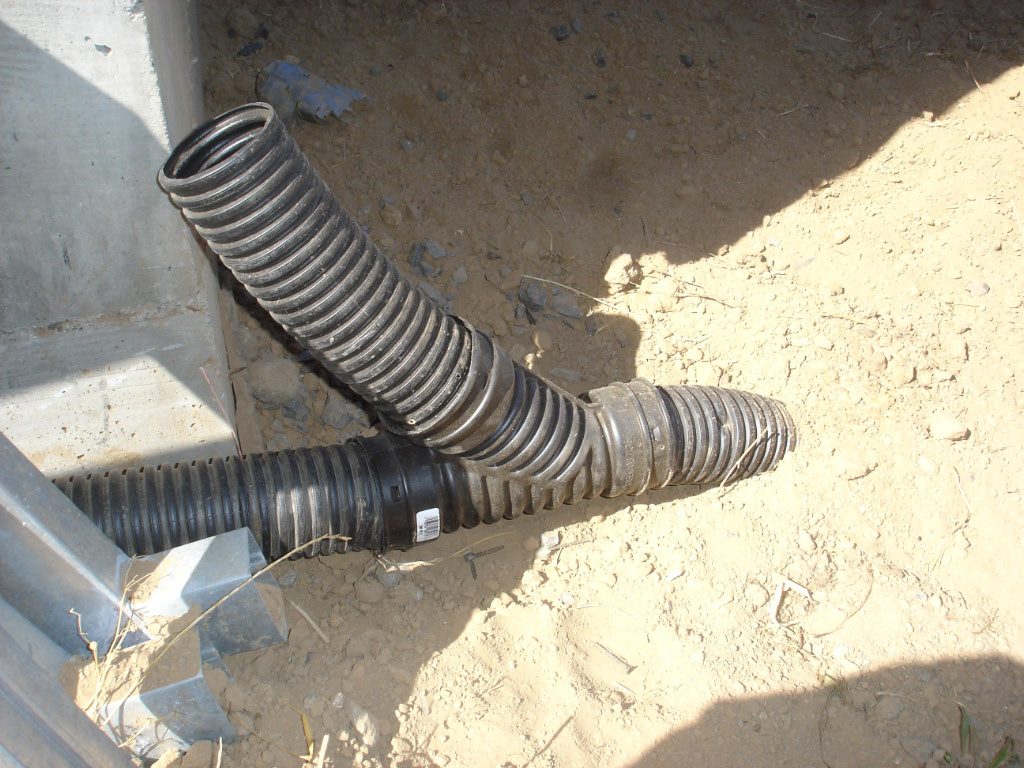
Foundation Drainage for Georgetown homes
Foundation drainage in Georgetown starts with a basic question: what is your house sitting on? On the east side, homes rest on Blackland clay that swells and shrinks with moisture, and slabs there can move. On the west side, many homes sit on thin soil over limestone, which is more stable, but cut-and-fill lots can have patches of fill and clay that settle unevenly. Drainage does not fix a foundation, and we do not do structural foundation repair. It manages water so the soil stays steadier. A simple habit helps on both sides of town: check gutters and the soil line twice a year. Many foundation moisture issues begin with a clogged gutter, a sunken planting bed, or a downspout that fell off the elbow. Fixing those costs little.
A good drainage plan for a Georgetown house starts at the roof. Gutters and downspouts should carry water well away from the walls. Next comes the grade, with soil sloping away and sitting below the brick line. Then, if water still gathers beside the slab, a shallow French drain or a surface swale can intercept it. Older homes near downtown may have pier-and-beam foundations with crawlspaces, where water pooling under the house is a sign that drainage and ventilation need attention. Crawlspace homes need ventilation and a dry floor. If you see standing water, mold, or soggy insulation under a pier-and-beam house, grading and exterior drains may help, but a licensed pro should assess moisture and structure together. Photograph the area around the house after a heavy rain so you can see where water gathers.
If you see cracks above doors, sticking windows, or sloping floors, bring in a structural engineer or a foundation repair company before you spend money on drainage. They can measure the slab and say whether it has moved. Then drainage becomes part of protecting the house. On rocky lots, a high spot of limestone next to the foundation can also channel water toward the wall, so we study how rain moves across the whole lot, not only along the edge of the house. In dry spells, watch for soil pulling away from the slab. Gaps wider than a pencil can let storm water run straight down to the footing. Fill them with compacted soil and follow your engineer's advice on how much to water.
What to know in Georgetown
Slab or pier and beam
Slab homes need water moved away from the edge. Pier-and-beam homes, common in older Georgetown, also need dry crawlspaces with working vents and no standing water. Soil should not pile against the skirting. The right drainage plan depends on the foundation type, so identify yours first. Photograph cracks with a coin or ruler for scale, and date every photo.
Rock and clay on one lot
Some Georgetown lots mix limestone and clay, and the house may sit partly on each. Different materials move differently as they get wet. A structural engineer can tell you if that is a concern. Drainage helps keep moisture more even around the whole perimeter. Ask your engineer whether root zones, leaks or drainage are likely contributors.
Hire the right pro for each job
Foundation repair, such as piers or slab lifting under the house, is work for a structural engineer or foundation repair company. We handle the drainage that protects a foundation. Getting the order right, evaluation first and drainage as support, avoids paying twice for the same problem. Check plumbing for leaks too. A slab leak can mimic drainage-related movement.
Signs you may need foundation drainage
- Mud or standing water in a planter bed or porch against the wall
- Soggy lawn strips that always sit along one side of the house
- Cracks, sticking doors or sloping floors that call for an engineer first
- Water pooling beside the slab for more than a day after rain
How foundation drainage works
Be careful with any claim that drainage alone will fix a damaged foundation. It will not. Drainage reduces one of the forces acting on a slab. It cannot undo cracks, uneven floors or stuck doors that have already developed. If you see stair-step cracks in brick, doors that rub their frames, gaps between walls and ceilings, or floors that slope, call a licensed structural engineer or a foundation repair company first. Many homeowners get an independent engineer's report so they have an unbiased view of what the slab needs. Once the structure has been evaluated, drainage becomes the maintenance side of the plan. A repaired foundation that keeps getting soaked on one side can move again. A stable foundation with good drainage is more likely to stay that way.
A word about watering foundations. In dry summers, some Central Texas owners run soaker hoses around the slab to keep the clay from shrinking. Opinions on this differ, and the advice we found is mostly from contractors rather than neutral research. Watering unevenly can cause the same differential movement you are trying to prevent. If you want to try it, ask your engineer or foundation repair company what pattern and schedule fit your slab and soil, and keep hoses away from areas where water also ponds. Finally, before any trench is dug, Texas law requires a call to 811 at least two business days ahead so buried lines are marked. Your HOA or city may also have rules about changing grade or draining toward easements, so ask before work starts.
What to expect on a Georgetown visit
- 01
Walk the property in dry and wet conditions
We start by looking at the roofline, gutters, downspout outlets and the ground within about ten feet of the slab. Where possible we look right after rain, because puddles, soft spots and stained concrete show exactly where water travels and where it stops. Photos of gutters, stains and puddles go into your file so we can compare conditions after the work.
- 02
Check the slope and find the low points
Using a level and string line or a laser, we measure how the ground falls away from the house. We note where beds, walkways or patios hold water against the slab, and mark where the soil has settled below the original grade line. Low spots next to the slab are flagged first, since they usually matter more than gentle slopes elsewhere in the yard.
- 03
Plan the outlet before the pipe
Water needs a legal, safe place to go. We pick a daylight outlet, a street-side discharge, a dry well or a pop-up emitter, and confirm it will not push runoff onto a neighbor. You are also told to check HOA and city rules on easements. If a pop-up emitter is the choice, we explain how it opens under flow and drops back flush so mowers pass over it.
- 04
Call 811 and mark the work area
Texas811 must be notified at least two business days before digging, and the utilities mark their buried lines. We keep the trench clear of those marks and of irrigation lines, then lay out the path with paint so you can see it first. Irrigation lines are common in this area, so we ask where your zones run and whether a shutoff is accessible.
- 05
Excavate, lay pipe and backfill
The trench is cut to a steady fall, lined with fabric, bedded with washed gravel and fitted with solid or perforated pipe depending on the job. Spoil is hauled or used for regrading. Cleanouts are added where they help future maintenance. A cleanout riser at the corner makes it easy to flush the line later and check that water is still moving.
- 06
Regrade, test and restore
We shape soil so it falls away from the slab, then run water through the system to confirm flow reaches the outlet. Sod, mulch or rock goes back, and we walk you through where the pipes run and how to keep inlets clear. Keep the new grade in mind when you plant or add mulch, because piling soil back up against the slab undoes the work.
Our approach in Georgetown
- We walk the property in Georgetown and trace where water comes from, where it collects and where it can legally go
- We explain what we find in plain language, with photos where they help
- Repairs and installs are planned around Williamson County permitting requirements
- You get written options before any repair work begins
- We call 811 to mark buried utilities before any digging
Soil and drainage conditions around Georgetown
The San Gabriel River is the defining water feature. Two dams on the river created Lake Georgetown and Granger Lake. Before those dams, periodic large but short floods shaped the river bottoms east of town, which are now wooded with oak and pecan. Smaller creeks and draws feed the river, and many neighborhoods have drainage channels or greenbelts running between lots. Terrain is hilly on the western side, so water moves quickly downslope and can cut channels through beds and gravel, wash out mulch and push soil toward the street. On the flatter east side, runoff spreads out and slows. We study the slope of your lot, and the lots above it, before suggesting any fix. Lake Georgetown sits on the North Fork of the San Gabriel River west of town, and the city's creeks and draws feed the river system below it, so a lot near a draw may carry fast water after a storm.
Foundation Drainage questions from Georgetown homeowners
Does Georgetown's limestone mean I do not need foundation drainage?
Not necessarily. Rock under a house is more stable than clay, but water still needs a path away from the walls. Rain can run along the rock and collect beside the foundation. Many homes also sit on a mix of rock, fill and clay, so drainage can still matter. A foundation engineer is usually the right first call when you see more than minor cracks.
What should I do if I see foundation cracks?
Measure and photograph them, then contact a structural engineer or foundation repair company for an evaluation. Hairline cracks are common and often harmless, but wider cracks, uneven floors and sticking doors deserve a professional look. Fix drainage problems in parallel so water is not adding to the movement. Soil that looks fine from above can be saturated below, so a shovel test near the slab can help.
Is a crawlspace drain different from a slab drain?
Yes. Crawlspaces need water kept out and air moving through. That can mean exterior drains, better grading, and a vapor barrier, depending on the house. Slab homes focus on moving water away from the edge of the slab. We look at the whole house before suggesting which approach fits. If the home is in a floodplain, ask the city about any rules before making grade changes.
Should I water my foundation in summer?
It is debated. Some owners run soaker hoses to slow clay shrinkage, but uneven watering can cause its own movement. Most of the advice online comes from contractors. Ask a structural engineer or foundation repair company about a pattern that fits your slab, and keep water from pooling at the edge. If you do water, never leave a hose running in one spot, and stop if you see runoff reaching the street.
Do I need to call 811 before a drain is installed?
Yes. Texas requires notice to Texas811 at least two business days before digging, not counting weekends or holidays. This applies to homeowners too. If you hire a contractor, the contractor places the call, and you can ask for the ticket number to confirm it was done. Marking paint and flags usually appear within a couple of business days, so build that wait into the schedule.
Will the drain affect my neighbors?
It can if the outlet sends water onto their land. Texas Water Code section 11.086 prohibits diverting surface water in a way that damages another person's property. A sound plan keeps discharge on your lot or in an approved easement. If a dispute comes up, speak with a Texas attorney rather than relying on a general guide. Walking the lot together before work starts helps confirm exactly where the water will exit.
More about foundation drainage → · All services in Georgetown →
Need foundation drainage in Georgetown?
Call or send a request. We will look at where the water goes, check the grade and give you a written estimate.