Leander · Williamson County
Driveway & Sidewalk Leveling in Leander, TX
Leander driveways often slope steeply and cross from rock cut to fill, so panels tilt and open at joints. Leveling lifts sunken sections, removes trip edges and restores slope away from the garage. If concrete is badly broken, replacement may make more sense, and we say so plainly. Check the downhill edge first, where water usually washes soil out. A long straightedge across the panels shows the tilt.
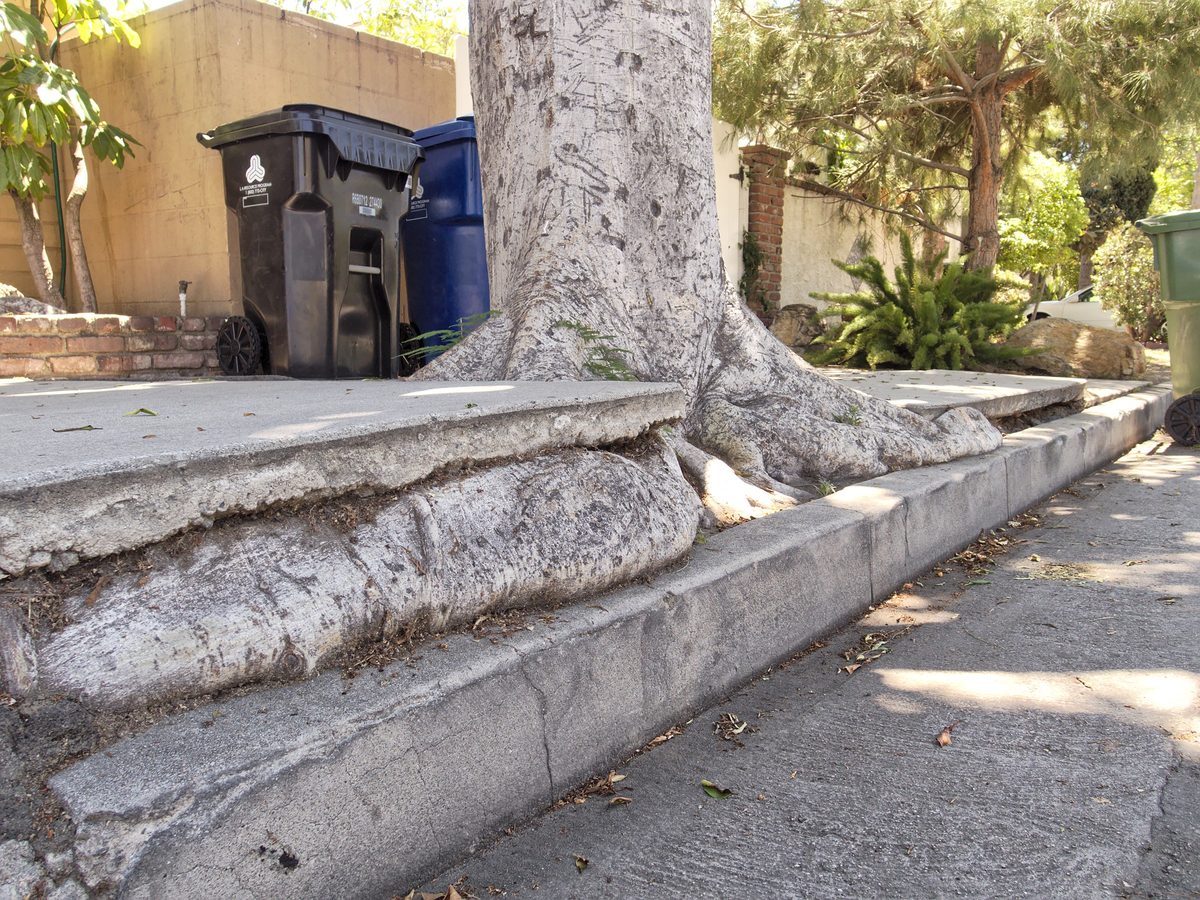
Driveway & Sidewalk Leveling for Leander homes
Driveways and sidewalks in Leander face a different problem from older towns: they are young, and they are moving. Many were poured in the last ten to fifteen years while the town grew along US 183 and Bagdad Road. Utility trenches, backfill beside curbs, and fill under aprons can all settle after the concrete is in place. The first sign is often a joint where one panel sits lower than its neighbor, or a gap between the driveway and the garage slab. Leveling raises the low panel to match and removes the trip edge. Measure the height difference at each joint with a ruler and note the dates. Differences over about half an inch are worth fixing soon, and a record helps if you need to show a builder when the settling began.
Soils add to the problem. Leander has limestone close to the surface in many places, with pockets of clay between. A driveway panel that sits half on rock and half on clay can rock slightly under weight, then tilt as the clay side compresses. Water makes this worse. Rain flows into joints and down along the edge of the slab, carrying fine soil away. Over a few seasons, a void forms, and the panel drops. Foam injection works well for driveways because small holes leave little to patch and the foam supports the panel after lifting. Panels cracked at the corners often show where the support under them has already failed. A contractor can tap the slab and listen for hollow sounds, which reveals voids that are not visible from above.
Leveling is the repair, but sealing and drainage are the prevention. Seal joints after the lift so water stays out. Check that gutters and downspouts do not dump onto the drive, and that the apron slopes away from the garage. If your driveway meets a public sidewalk or street, check with the city before altering anything in the right-of-way, since permits may be required. Sidewalk responsibility varies by city and situation. Call the city's public works office to find out who handles the section in front of your property, and whether the city has a repair program. Plan the work for dry weather so injection ports and joint sealant can cure properly. Cars should stay off the surface until the contractor confirms it is safe, and a short delay is better than a second lift.
What to know in Leander
Utility trenches settle
New neighborhoods have trenches for water, power, and gas cut through yards and under driveways. Backfill in those trenches can settle even when the rest of the ground is stable. A line of sunken panels that follows a straight path often points to a trench. Mark it for your contractor, who can target the injection.
Weight and traffic limits
After lifting, concrete needs time before heavy loads return. Foam gains strength quickly, but ask for a clear cure time for the product used. Keep delivery trucks, moving vans, and trailers off until it is safe. A freshly lifted panel that is overloaded too soon can crack or drop again. Schedule large deliveries only after the contractor clears the surface.
Curbs and aprons at the street
The apron where your driveway meets the street is often in the public right-of-way. Changing its height can affect water flow along the gutter. Before lifting or replacing that section, check with Leander's city offices about permits and rules. They may also have standards for slope and thickness. Ask the city for the permit answer in writing, not by phone.
Signs you may need driveway & sidewalk leveling
- Hollow sound when tapping a panel
- Cracks that follow a joint where one side sank
- Scraping at the bottom of the car or trash can wheels catching
- A raised or sunken lip between driveway panels
How driveway & sidewalk leveling works
A few things you can check yourself. Walk the driveway after a rain and note where water stands. Slide a yardstick across a joint to see how big the step is. Look for gaps between the slab and the soil edge. Take photos before and after storms. Having those details helps a contractor tell you whether leveling, drainage work, or full replacement is the realistic answer. Before any drilling, a call to 811 two business days ahead is required in Texas. Driveways often have irrigation, electric and communication lines nearby. We never drill without that notice. A simple log of dates, rainfall and panel heights makes the history clear. Checking after the first heavy rain following a repair is a good habit, since any new movement shows up early.
A driveway is a long chain of concrete panels, each resting on soil that responds to weather. On clay soil around Pflugerville and Manor, the panels do not all move at the same rate. One panel near the downspout sinks. Another near a tree stays high. The joint between them turns into a step. A sidewalk has the same problem on a smaller scale, with one square tipped up an inch and the next square flat. Driveway and sidewalk leveling lifts those panels to match their neighbors. Small holes are drilled in the sunken section, material is injected to fill the void and push the panel up, and the holes are patched. The concrete stays in place. You avoid breaking out slabs, hauling debris, forming and waiting for new concrete to cure.
What to expect on a Leander visit
- 01
Survey the panels and joints
We walk the driveway or sidewalk and measure each step with a straightedge. Cracks, joint gaps and surface wear are noted. We also look at the roofline, irrigation heads and trees to find what is feeding the problem. A short list of the worst panels is written down, along with photos, so you can compare before and after.
- 02
Choose the lift approach
Depending on slab thickness, weight and the lift needed, we discuss foam or mudjacking and recommend the better match. For thin or heavily cracked panels we explain the risk of breakage and when replacement may be wiser. We also look at slab edges for spalling, since crumbling edges can break away when injection pressure rises.
- 03
Call 811 and mark holes
Texas811 gets the notice at least two business days before drilling. Meanwhile, we mark a hole pattern on each sunken panel so lift is spread evenly and nothing is drilled near known lines or reinforcing steel. Holes are generally set in a grid across the sunken panel, with extra points near edges where panels hinge downward.
- 04
Drill and inject gradually
Holes are drilled through the panel, and material is injected in small amounts. We track the rise with levels and string lines, moving between holes so the panel lifts flat instead of tipping. Foam is metered slowly, and if a panel starts to crack or rock, we stop and talk through whether to continue.
- 05
Match adjacent panels
Each panel is raised to meet its neighbors, with attention to drainage direction. A driveway has to shed water away from the garage, so we confirm the final slope instead of just closing the gap. We test drainage with water and check the apron by the garage door, where even a small reverse slope can send water inside.
- 06
Patch holes and set the cure window
Holes are patched, and the surface is cleaned. We explain how long to keep vehicles off the panels and which water source to fix so the repair stays level. Keep cars, trailers and delivery trucks off the repaired panels until we tell you the cure window has passed. A quick walk-through at the end confirms nothing was missed.
Our approach in Leander
- We walk the property in Leander and trace where water comes from, where it collects and where it can legally go
- We explain what we find in plain language, with photos where they help
- Repairs and installs are planned around Williamson County permitting requirements
- You get written options before any repair work begins
- We call 811 to mark buried utilities before any digging
Soil and drainage conditions around Leander
Regulations depend on whether your home is within Leander's city limits, in the extraterritorial area or in a municipal utility district, and on your HOA. We could not verify Leander's residential grading or drainage permit rules, so ask the city before you move significant dirt, build a retaining wall or work in a drainage easement. Some Leander-area projects have gone through state Edwards Aquifer review, so work near the recharge zone may draw state attention, and it is smart to ask early. Texas Water Code Section 11.086 also forbids diverting surface water in a way that damages a neighbor's property. Before any digging, Texas law requires notice to Texas811 two business days ahead, not counting weekends and holidays. Summers are hot and dry, so clay pockets crack deeply, and rainfall is roughly in the mid-30 inches a year. Winter freezes occasionally crack concrete joints and exposed irrigation lines.
Driveway & Sidewalk Leveling questions from Leander homeowners
Why is my young driveway already uneven?
Fill and trench backfill under new concrete can compress in the first years, and rain can wash fine soil out from under the edges. Panels over clay pockets may drop while those on rock hold. Check whether your builder offers a warranty on flatwork, then document the problem with photos and measurements. Document it with a ruler beside each joint, then compare readings every few months to see if movement continues.
Can leveling stop a driveway from cracking?
It can reduce new cracks that come from a panel sitting unsupported, but it cannot heal cracks already there. Sealing the cracks keeps water out, and fixing drainage protects the base. Cracks that keep widening or show height differences may point to ongoing movement and deserve a closer look. Sealing the joints afterward keeps rain from washing out the supporting soil again, and it is worth doing the same week.
Is sidewalk repair my job or the city's?
It depends on the city and the circumstance. Some cities expect homeowners to maintain the sidewalk beside their lot, while others handle it. Call Leander's public works office and ask who is responsible for your section, whether permits apply, and if there is a reporting process for trip hazards. Even if the city handles repairs, a written report speeds things along, so photograph the hazard and note the address.
Why does the same panel keep sinking?
An active water source is the usual reason. A downspout, sprinkler head or low spot can wash soil out from under the panel again and again. Fixing the water source is the best way to keep the lift. Tree roots drying the clay can also play a role. A quick sprinkler audit often reveals the cause, so run each zone and watch the edges of the drive for runoff.
What is the difference between foam and mudjacking for a driveway?
Mudjacking uses a heavy cement slurry and larger holes with a longer set time. Foam is a light expanding polyurethane with smaller holes and fast curing. Foam resists washout, but costs more. Both work only on exterior slabs, not on the house foundation. Ask for the hole size in writing on your quote, since that is the plain difference you will see on the surface afterward.
Will leveling fix a cracked driveway?
It fixes height differences, not cracks. A crack that formed because a panel sank may stop growing once the panel is lifted, but the crack remains. Sealing it afterward keeps water out of the base. See our crack and joint sealing service for that step. Ask how and when the cracks will be sealed, since that step protects the base from rain after the lift.
More about driveway & sidewalk leveling → · All services in Leander →
Need driveway & sidewalk leveling in Leander?
Call or send a request. We will look at where the water goes, check the grade and give you a written estimate.