Leander · Williamson County
Yard Drainage & Regrading in Leander, TX
Leander yards often slope, step or sit on cut-and-fill pads. Regrading restores fall away from the foundation, builds swales around the house and fills settled spots. On slopes we also add erosion control. Because rules can differ by city, ETJ and MUD, check with the city and your HOA before moving much dirt. Seeding or sodding bare slopes helps hold the fix.
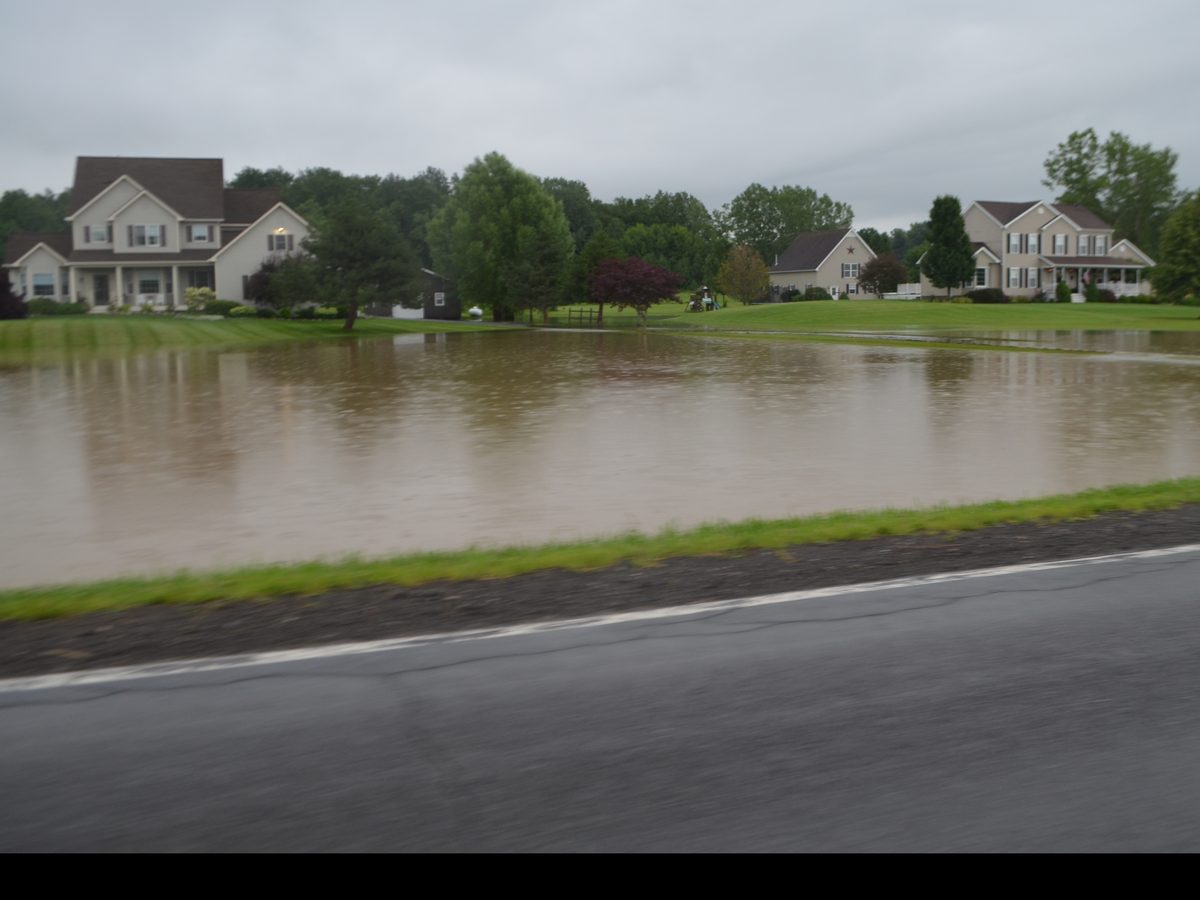
Yard Drainage & Regrading for Leander homes
Yard drainage in Leander often starts with a simple question: where did the builder send the water? Many subdivisions off Crystal Falls Parkway and Bagdad Road were built in phases, and each phase had its own grading plan. A lot may slope toward the house on one side because the neighboring pad sits higher. Regrading reshapes the surface so water travels across the yard and away from the slab instead of settling against it. The goal is a gentle, continuous fall, typically a few inches over the first ten feet, then a swale or pipe that takes the water to the street or a drainage path. Stand at the street on a dry day and sight along the lot. Low spots, ruts and flat stretches show up better from a distance than from a few feet away.
The ground complicates the work. Leander's soil is a thin layer over limestone, with clay pockets that hold water like a bowl. Where clay is on top, water runs off quickly once sloped but turns slick and muddy when wet. Where rock is a few inches down, there is little soil to reshape, and adding fill can wash away in the first hard storm. A better approach is to cut a shallow swale into the existing soil, build up low edges with compacted material, and cover everything with sod or deep mulch right away, so roots start to hold the surface together. Flat limestone pieces or river rock also work well in the swale bottom, since they resist washing out and fit the look of many yards here.
Because Leander is growing quickly, neighboring lots are still changing. A vacant lot next door may be graded next year and send a new stream of water toward your fence. Texas Water Code section 11.086 limits diverting surface water in ways that harm other property, which protects you and limits what you can do to your neighbors. Before you regrade near a property line, an easement, or a neighborhood drainage channel, review your plat and ask your HOA and the city. If a dispute is already underway, talk with an attorney instead of guessing about your rights. Take dated photos of the yard before and after work. If a neighbor later claims your changes caused damage, clear records of the old and new grades help sort out what changed. Keep copies of any HOA approval letters too.
What to know in Leander
Phased subdivisions, mixed grades
Builders in a growing community grade each section differently, so your lot may sit above or below its neighbors in ways the plat does not show. Walk the property lines during a rain and note which way water enters and leaves. That map guides where a swale should go and reveals whether another lot is sending water your way.
Thin soil limits fill
With rock only inches below the surface in places, you cannot always add much soil. Piled fill on top of rock slides in a storm. Cut into existing soil when possible, compact any added material in thin layers, and plant or sod quickly. Rock mulch or flat stone can protect steep spots where grass struggles.
Watch new construction nearby
Vacant lots in Leander may be graded or built on soon, changing how water flows across the area. If a neighbor's new pad pushes runoff toward you, document it with dated photos and share them with the builder, HOA, or city. Early records help if you later need to show when the change began. Save the dates of nearby grading.
Signs you may need yard drainage & regrading
- A yard that stays muddy or squishy for days after a storm
- Water entering the garage or crossing a driveway toward the slab
- A neighbor's yard sitting higher and sending water to your lot
- Water pooling within a few feet of your foundation after rain
How yard drainage & regrading works
Rules and approvals matter more than most homeowners expect. Many cities in Travis and Williamson Counties have lot grading standards, and some neighborhoods have drainage easements recorded along rear or side lot lines. Altering the grade inside an easement can require city approval, and an HOA may need to review changes that affect the look of the lot. These details vary by city, so check with your city or HOA before work begins. Calling Texas811 at least two business days before any digging is also required, and it protects you from striking a buried line while reshaping the yard. A good plan covers the rules, the utilities, and the slope together before any soil moves. Keep copies of approvals for future buyers.
Every yard has a drainage plan, whether anyone designed it or not. When a home is built, the lot is shaped so that rain runs away from the foundation, across the lawn, and toward the street, a swale, or a storm inlet. Over the years that shape erodes. Soil settles near the slab, mulch beds pile up against siding, a new patio blocks an old path, and a fence or a neighbor's raised yard changes where water wants to go. Yard drainage and regrading work puts the shape back, or builds a better one, so water has a clear and gentle route off the property instead of lingering where you do not want it. Think of it as repairing the lot's original job rather than adding something new.
What to expect on a Leander visit
- 01
Observe how water moves
The most useful information comes from the water itself. We look at the lot after rain, mark where water enters, pools, and leaves, and note downspout locations, neighboring grades, and fence gaps. Your photos and notes from past storms help us see what a dry-day visit cannot. We also check for signs of leaks that grading cannot solve.
- 02
Measure the grade
We shoot elevations with a laser or transit level across the yard and along the foundation. That tells us how much fall exists now and how much soil must move. We compare readings to the common guidance of about six inches of drop in the first ten feet from the house, then plan around what the lot allows.
- 03
Locate utilities and review rules
Texas law requires a call to 811 at least two business days before digging. We mark the work area and also look for private irrigation lines and easements. Any plan that touches an easement, a shared lot line, or an HOA-controlled feature is checked with the city or HOA before we start moving soil.
- 04
Reshape the ground
We pull mulch and topsoil back from the foundation, add compacted clean fill where low areas need building up, and cut swales where water needs a path. Soil is placed in lifts and compacted so it does not settle into a new bowl after the first heavy rain. The finish grade is checked again with the level.
- 05
Add structure where grading alone is not enough
Some lots need help from a catch basin, channel drain, French drain, or downspout extension to complete the water path. We tie these pieces into the new grade so water reaches a legal, safe outlet. Adding hardware only where the slope cannot do the job keeps costs reasonable and the yard looking natural.
- 06
Restore and stabilize the surface
Bare clay erodes quickly in a Texas downpour, so the new grade needs cover. We replace sod or seed with erosion control, and rake mulch back at a safe distance from the slab. We then walk the site with you and explain what to watch after the first two or three real rainstorms.
Our approach in Leander
- We walk the property in Leander and trace where water comes from, where it collects and where it can legally go
- We explain what we find in plain language, with photos where they help
- Repairs and installs are planned around Williamson County permitting requirements
- You get written options before any repair work begins
- We call 811 to mark buried utilities before any digging
Soil and drainage conditions around Leander
Regulations depend on whether your home is within Leander's city limits, in the extraterritorial area or in a municipal utility district, and on your HOA. We could not verify Leander's residential grading or drainage permit rules, so ask the city before you move significant dirt, build a retaining wall or work in a drainage easement. Some Leander-area projects have gone through state Edwards Aquifer review, so work near the recharge zone may draw state attention, and it is smart to ask early. Texas Water Code Section 11.086 also forbids diverting surface water in a way that damages a neighbor's property. Before any digging, Texas law requires notice to Texas811 two business days ahead, not counting weekends and holidays. Summers are hot and dry, so clay pockets crack deeply, and rainfall is roughly in the mid-30 inches a year. Winter freezes occasionally crack concrete joints and exposed irrigation lines.
Yard Drainage & Regrading questions from Leander homeowners
How much slope should my yard have near the house?
A common target is about six inches of drop over the first ten feet away from the foundation, where the lot allows it. If a fence or a neighbor's lot blocks that much slope, a shallow swale or drain can carry water the rest of the way. Measure with a long level and a string line before making changes. Mark the high and low points with flags first.
Can I regrade my yard myself?
Small fixes like filling a low spot or clearing a blocked swale are fine for many homeowners. Larger changes involve moving a lot of soil, working near utilities, and affecting neighbors. Call 811 at least two working days before digging. If rock, easements, or large trees are involved, a pro will help you avoid costly mistakes. Rent equipment only if you are comfortable with its weight and the slope of your lot.
Will regrading stop mud and standing water?
It can, if the water simply has no path out. It will not help if groundwater is rising from below, if roof water is dumping in one spot, or if a neighbor's yard drains onto yours. Pair regrading with gutters, downspout lines, or a drain when more than one source is at work. Keep records of any complaint you receive from a neighbor or the HOA, and respond in writing.
Do I need to call 811 for a regrade?
Yes, when the work involves digging, and that includes shaping soil with equipment. Texas law requires notice to Texas811 at least two business days before digging, weekends and holidays excluded. Utilities mark their public lines for free. Tell the crew about private lines like irrigation, because those are usually not marked. Call early to protect your schedule. Ask the crew how they plan to avoid those lines.
Why does water pool by my foundation even though I have gutters?
Gutters collect roof water, but the downspouts still release it onto the ground. If they end next to the slab, or the soil beside the house has settled, the water pools there anyway. Extending downspouts several feet away or burying them, and rebuilding the slope near the wall, usually stops it. Check for clogged gutters and cracked splash blocks too. Checking all of those takes about an hour.
Can good drainage protect my foundation in clay soil?
It helps a great deal. On expansive clay, foundations suffer when soil near the edges stays wet while the soil under the middle dries. Keeping water away from the slab evens those swings out. It is not a structural repair. If you see widening cracks or sticking doors, a structural engineer should evaluate the house first. Drainage is a protective step, not a structural fix.
More about yard drainage & regrading → · All services in Leander →
Need yard drainage & regrading in Leander?
Call or send a request. We will look at where the water goes, check the grade and give you a written estimate.