Northeast Austin · Travis County
Driveway & Sidewalk Leveling in Northeast Austin, TX
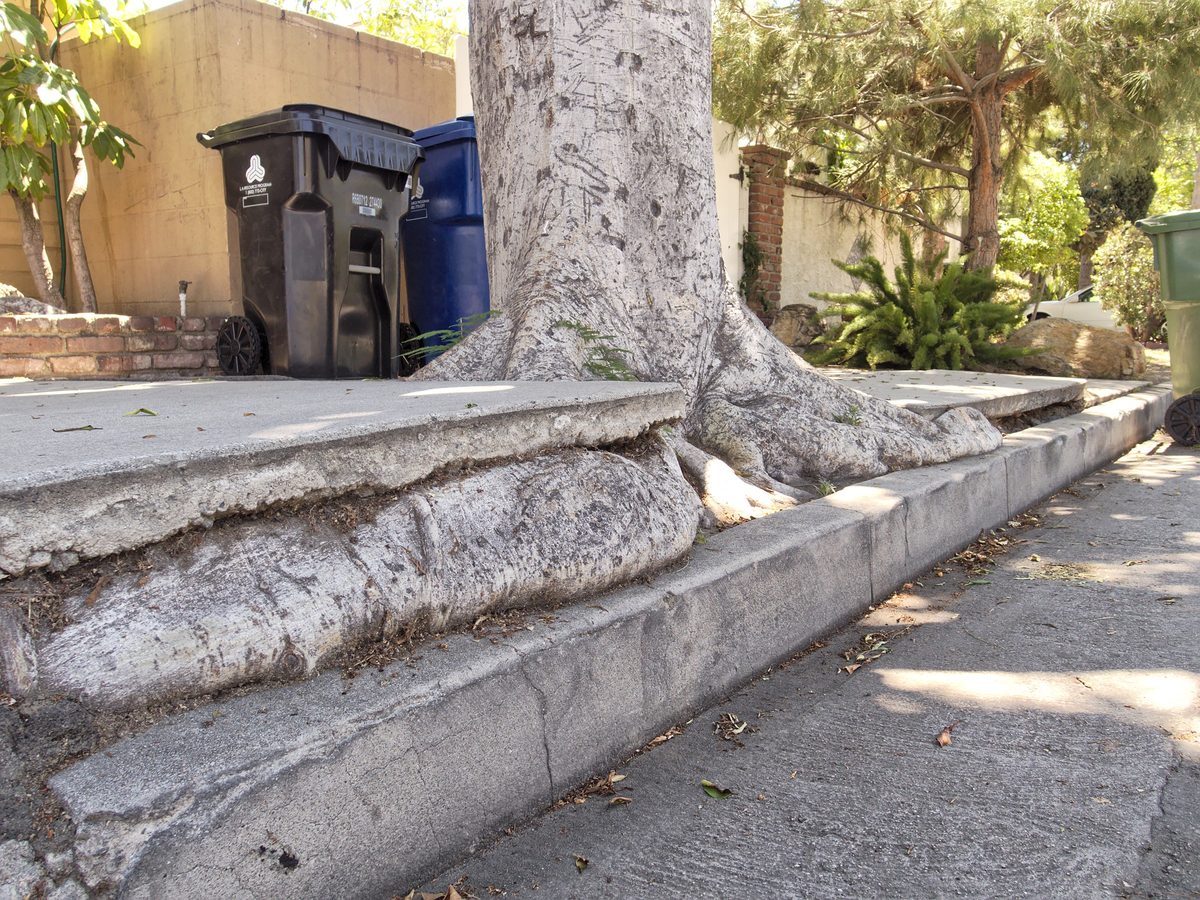
Driveways and sidewalks in Northeast Austin rise and fall with the clay. Leveling lifts uneven panels, closes trip hazards and improves slope away from the garage. Near mature trees, roots can keep lifting a section, and we point that out. Where slabs are shattered, replacement is a more honest recommendation than leveling. Panels near street trees often heave from roots, which leveling cannot stop.
Driveway & Sidewalk Leveling for Northeast Austin homes
Driveways in Northeast Austin tell a story about how the neighborhood was built. Older streets often have narrow concrete strips or single-lane drives that run to a carport or garage. Newer areas have wide two-car aprons. Both settle, and for different reasons. Strip drives sink where the base was thin. Wide aprons settle where water collects at the street end or beside the garage, softening the soil underneath. Condition of the concrete matters. Thick, intact slabs lift cleanly, while thin, crumbling or heavily cracked ones may break under the pressure. Older strips from the mid-century era were often poured thin, so a contractor will probe and tap them first. If the surface is flaking, resurfacing or replacing could be a better use of money than lifting.
A dropped panel causes more than a bump. It can send water toward the house, break a car's undercarriage and make a hazard for people who walk. Walnut Creek Metropolitan Park, a 293-acre park in Northeast Austin, brings plenty of foot traffic to nearby streets, and a trip hazard on a walk or apron is something neighbors notice. Lifting a panel and sealing the joints restores the slope in a short visit and costs less than replacement. Think about how the driveway drains after the lift. The goal is a surface that sheds water toward the street or a drain, not toward the garage. A contractor should check the slope with a level or laser before and after, and a small tilt of a quarter inch per foot is a common target for flatwork like this.
Sidewalk repairs may fall to the city or to you depending on location and ownership, so check with the City of Austin before paying for work in the public right of way. Cutting or lifting a public sidewalk may need permission. Whichever method you choose, address the cause. A leaking irrigation line, a downspout dumping on the drive or tree roots may have caused the settling. Foam and mudjacking can both lift driveway panels. Costs vary by site, and any number you read online is a general range. Sidewalk grinding is another option for small lips. A grinder shaves a raised edge down to a gentle ramp, which works for drops up to about three quarters of an inch. Bigger drops call for lifting. Many contractors combine the two on one visit, which keeps cost down and leaves the walk smooth for neighbors and park visitors.
What to know in Northeast Austin
Narrow strip driveways
Two-track concrete strips are common on older streets. They carry the full weight of the car in a narrow path, so edge washout can be a problem. Lifting restores level, and filling the soil beside the strip stops more washout. Ask the crew about backfill and edge support.
Public sidewalk ownership
The sidewalk by your lot may belong to the city, even if you mow it. Rules on who repairs it differ. Ask the City of Austin about reporting hazards and what repairs property owners are allowed to make. Doing it yourself without permission could cause problems.
Tree roots and heritage trees
Big trees are part of the neighborhood's charm and a common cause of lifted panels. Lifting a panel does not stop the root. Austin has tree protection rules, so check before cutting large roots, and consider asking a certified arborist about options.
Signs you may need driveway & sidewalk leveling
- Sidewalk squares that tilt or rock when stepped on
- Water pooling at the garage door or curb
- Gaps between the slab edge and the soil
- Hollow sound when tapping a panel
How driveway & sidewalk leveling works
Not every drop is the same. A panel that has simply dropped on one edge is a good candidate. A panel with a diagonal crack across the middle might separate when lifted, because the two halves behave as separate slabs. A panel with many hairline cracks may be fine. We read the pattern before we promise anything, because the cracks tell us how the concrete will react. Thickness also counts. Residential driveways are commonly four inches thick, though some are thicker near the garage. Thin concrete lifts with less margin for error, so injection is done slowly and the lift is measured as it happens. Cracks that run through a panel from edge to edge often split it into two slabs that move on their own, so we explain the odds of breakage plainly before work starts. A hairline crack that does not shift is usually fine to lift.
Why do driveways sink at all? Four causes show up again and again around the Austin suburbs. Roof water dumps onto the drive and runs under the edge. Irrigation overspray soaks the base near the curb. Tree roots pull moisture out of clay and make the soil shrink. And poor compaction during construction lets the soil settle years later. If you see the same panel sinking every few years, there is almost always an active water source. Fixing that source, with a downspout extension, a channel drain across the drive, or a redirected sprinkler head, is the best way to protect the lift. A channel drain across the apron can catch water before it ever reaches the garage door. Compaction problems are most common on lots graded quickly during construction, and they show up as a dip a few years later. These are often the easiest drops to fix once the water source is handled.
What to expect on a Northeast Austin visit
- 01
Survey the panels and joints
We walk the driveway or sidewalk and measure each step with a straightedge. Cracks, joint gaps and surface wear are noted. We also look at the roofline, irrigation heads and trees to find what is feeding the problem. A short list of the worst panels is written down, along with photos, so you can compare before and after.
- 02
Choose the lift approach
Depending on slab thickness, weight and the lift needed, we discuss foam or mudjacking and recommend the better match. For thin or heavily cracked panels we explain the risk of breakage and when replacement may be wiser. We also look at slab edges for spalling, since crumbling edges can break away when injection pressure rises.
- 03
Call 811 and mark holes
Texas811 gets the notice at least two business days before drilling. Meanwhile, we mark a hole pattern on each sunken panel so lift is spread evenly and nothing is drilled near known lines or reinforcing steel. Holes are generally set in a grid across the sunken panel, with extra points near edges where panels hinge downward.
- 04
Drill and inject gradually
Holes are drilled through the panel, and material is injected in small amounts. We track the rise with levels and string lines, moving between holes so the panel lifts flat instead of tipping. Foam is metered slowly, and if a panel starts to crack or rock, we stop and talk through whether to continue.
- 05
Match adjacent panels
Each panel is raised to meet its neighbors, with attention to drainage direction. A driveway has to shed water away from the garage, so we confirm the final slope instead of just closing the gap. We test drainage with water and check the apron by the garage door, where even a small reverse slope can send water inside.
- 06
Patch holes and set the cure window
Holes are patched, and the surface is cleaned. We explain how long to keep vehicles off the panels and which water source to fix so the repair stays level. Keep cars, trailers and delivery trucks off the repaired panels until we tell you the cure window has passed. A quick walk-through at the end confirms nothing was missed.
Our approach in Northeast Austin
- We walk the property in Northeast Austin and trace where water comes from, where it collects and where it can legally go
- We explain what we find in plain language, with photos where they help
- Repairs and installs are planned around Travis County permitting requirements
- You get written options before any repair work begins
- We call 811 to mark buried utilities before any digging
Soil and drainage conditions around Northeast Austin
The terrain is mostly flat to gently rolling, cut by creeks that drain toward the Colorado River to the southeast. Walnut Creek runs through the northern part of the area, and Walnut Creek Metropolitan Park, with its trails, follows it. Gilleland Creek drains part of the northeast side and flows toward Pflugerville. The main routes are US-290 east, which carries traffic out toward Manor, and I-35 on the west side, with SH 130 farther east as the area's toll bypass. Many neighborhoods drain through small tributaries and concrete channels before reaching these creeks. Homes near a creek bank or channel should watch for erosion and for runoff from upstream lots, while homes on high ground often deal with water running across the yard rather than standing in it. Storms there can be sharp, and runoff from busy roads and parking lots reaches the creeks quickly.
Driveway & Sidewalk Leveling questions from Northeast Austin homeowners
Who pays for a lifted public sidewalk?
It varies. Some cities repair public sidewalks and others expect owners to keep the portion in front of their lot safe. Contact the City of Austin to ask about your address and whether you may make repairs yourself or must use an approved contractor. Ask the city for any permit or inspection requirement before work in the right of way.
Can a narrow strip driveway be leveled?
Usually, yes, if the concrete itself is sound. Foam and mudjacking both lift strips. The crew will check for voids at the edges and may add backfill. If the strip is cracked into pieces, replacement may make more sense. A contractor can probe the base to see whether voids remain beside the strip.
How long will a leveled driveway last?
It depends on the cause of settling. If the water source is fixed and the base is stable, the lift can last many years. If the soil keeps washing out or swelling, the slab may settle again. Fixing drainage extends the result. Drain the water away first, since a repair over a wet base fails sooner.
Can a driveway be leveled instead of replaced?
Often yes, if the concrete is mostly sound. Leveling lifts the sunken panel without breaking it out, which avoids demolition and new concrete. If a panel is crumbling or badly cracked, replacement may be the better choice. A site visit is the only way to know for sure. Bring photos from before the work, and ask about edge condition, since crumbling edges can limit what lifting can do.
How soon can I drive on the repair?
Foam generally cures in minutes, but vehicle traffic puts heavy load on the slab, so confirm the wait time for your job. Mudjacking needs more time to set. Ask the contractor for a clear window and keep vehicles off until it passes. If you have a heavy truck or trailer, tell the contractor, since those loads need a longer wait than a family car.
Who is responsible for a public sidewalk?
It depends on your city. Some cities handle repairs, and others place the duty on the adjacent owner. Rules also differ for curb aprons. Call your city public works office or check its ordinances, because we cannot state your city's specific policy. If your sidewalk is in the public right-of-way, ask your city whether it offers a repair program before you pay for the work.
More about driveway & sidewalk leveling → · All services in Northeast Austin →
Need driveway & sidewalk leveling in Northeast Austin?
Call or send a request. We will look at where the water goes, check the grade and give you a written estimate.