Northeast Austin · Travis County
Yard Drainage & Regrading in Northeast Austin, TX
Regrading in northeast Austin fixes the common problem of soil built up against the slab and flat backyards with no exit for water. We rebuild fall away from the house and add swales to the street or an approved outlet. Near easements or creek banks, city rules may apply, so confirm before moving dirt. Photos taken before and after help if a neighbor later questions the change.
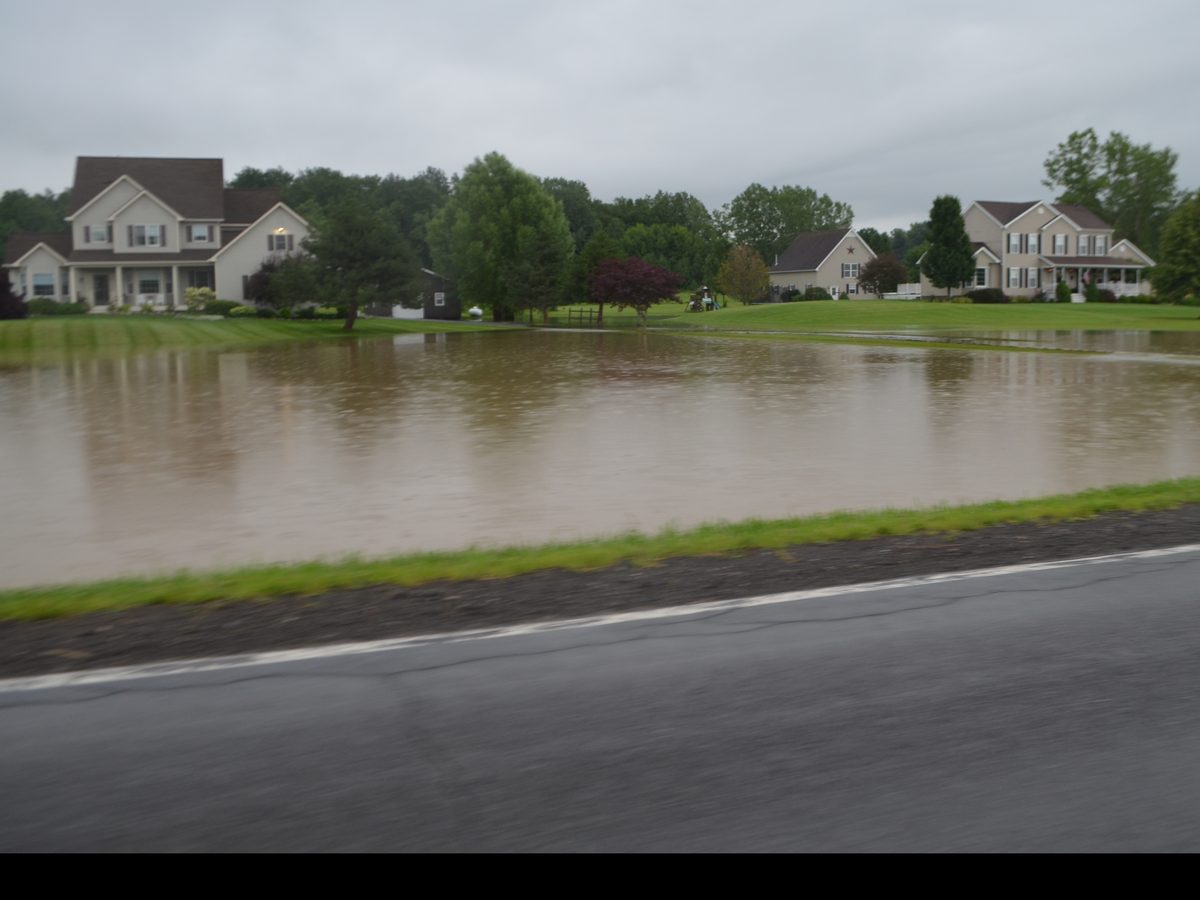
Yard Drainage & Regrading for Northeast Austin homes
Older Northeast Austin neighborhoods were laid out in the 1950s and 1960s, when lots were graded for a street-first drainage pattern. Water was expected to run from the back of the lot, along the sides and out to the street. Decades later, sheds, additions, driveways and fences have interrupted those paths. A yard that once drained itself now holds water against a back fence or in a corner where two lots meet. Many Northeast Austin yards also show their history in the ground. A filled-in ditch, an old driveway edge or a buried slab from a removed shed can all redirect water. Probing with a metal rod or digging a small test hole sometimes explains a wet spot that regrading alone would not fix, and it saves guessing.
The fix begins with a map of the water. After a good rain, walk the lot and note where water stands, where it runs and where it enters your yard from a neighbor. Many Austin lots take water from the uphill neighbor and pass it to the downhill one, which makes regrading a shared concern. Restoring a shallow swale along the side yard can carry water through without trapping it, and a gentle slope away from the slab protects the house. On a compact lot, regrading is a game of inches. Raising the soil three inches near the slab and lowering a swale by two inches along the fence may be enough to turn a pond into a damp strip that dries within a day. Laser levels and string lines make those small differences visible before the first shovel goes in.
Austin's rules matter more here than in smaller cities. The city regulates development in floodplains and has detailed standards for drainage easements, and fill added in the wrong place can trigger review. Before moving significant soil, check with the City of Austin Development Services or Watershed Protection about your lot, and your HOA if you have one. Call 811 first, and remember that Texas Water Code section 11.086 prohibits changes that send surface water onto a neighbor in a way that causes damage. For disputes, speak with a lawyer. Sod and plantings need a plan too. Bermuda grass handles Austin heat and recovers fast, while shade under big oaks often calls for a groundcover or mulch instead. Bare clay on a fresh slope washes out in the first hard storm, so cover it quickly with sod, erosion blanket or seed and straw.
What to know in Northeast Austin
Floodplain and fill
Parts of Northeast Austin lie near Walnut Creek and its tributaries, and a lot in or near a mapped floodplain faces extra rules on fill. Austin offers an online tool to check floodplain status. Check before adding soil, since fill that raises the ground can push flood water onto neighbors.
Uphill neighbors and shared flow
Water often crosses several lots on its way downhill. If the neighbor above you has added a driveway or patio, more water may reach you. A friendly conversation about a shared swale can help both yards. Keep notes and photos of how water behaves.
Pier-and-beam clearance
Older homes with crawl spaces need soil kept below vents and framing. Regrading that raises the ground near the skirt blocks airflow and invites moisture and wood decay. Plan the slope so water flows away while leaving visible clearance at vents.
Signs you may need yard drainage & regrading
- Soil that slopes toward the house instead of away from it
- Mulch or soil piled above the bottom of your siding or brick
- Bare patches or erosion lines where water runs across the lawn
- A yard that stays muddy or squishy for days after a storm
How yard drainage & regrading works
The clay under most of this region makes grading more important than it would be elsewhere. Blackland Prairie soils east of I-35, including Houston Black clay, swell when wet and shrink when dry, so the ground itself moves from season to season. Water that pools next to a slab keeps the soil beside it wet, while the soil under the middle of the house stays drier, and that uneven moisture is hard on a foundation. Keeping water moving away from the house is the most affordable way to even out those swings. It does not replace a structural repair, but it removes one of the main reasons that movement keeps happening again and again. That is why grading is often the first fix we look at.
Regrading is rarely a bulldozer job. On most residential lots it is careful work with a small skid steer or a hand crew, adding or removing a few inches of soil, building up low spots, and cutting a shallow swale where runoff needs a lane. A swale is a wide, gently dished channel, often grassed, that carries water along a property line or between houses. Some swales run on a shared lot line, so changes there can affect neighbors. Under Texas Water Code Section 11.086, you generally cannot divert or impound surface water in a way that damages another person's property, so the design should keep the water in its natural direction and send it to a lawful exit. Always confirm where the water will go before the first shovel of soil moves.
What to expect on a Northeast Austin visit
- 01
Observe how water moves
The most useful information comes from the water itself. We look at the lot after rain, mark where water enters, pools, and leaves, and note downspout locations, neighboring grades, and fence gaps. Your photos and notes from past storms help us see what a dry-day visit cannot. We also check for signs of leaks that grading cannot solve.
- 02
Measure the grade
We shoot elevations with a laser or transit level across the yard and along the foundation. That tells us how much fall exists now and how much soil must move. We compare readings to the common guidance of about six inches of drop in the first ten feet from the house, then plan around what the lot allows.
- 03
Locate utilities and review rules
Texas law requires a call to 811 at least two business days before digging. We mark the work area and also look for private irrigation lines and easements. Any plan that touches an easement, a shared lot line, or an HOA-controlled feature is checked with the city or HOA before we start moving soil.
- 04
Reshape the ground
We pull mulch and topsoil back from the foundation, add compacted clean fill where low areas need building up, and cut swales where water needs a path. Soil is placed in lifts and compacted so it does not settle into a new bowl after the first heavy rain. The finish grade is checked again with the level.
- 05
Add structure where grading alone is not enough
Some lots need help from a catch basin, channel drain, French drain, or downspout extension to complete the water path. We tie these pieces into the new grade so water reaches a legal, safe outlet. Adding hardware only where the slope cannot do the job keeps costs reasonable and the yard looking natural.
- 06
Restore and stabilize the surface
Bare clay erodes quickly in a Texas downpour, so the new grade needs cover. We replace sod or seed with erosion control, and rake mulch back at a safe distance from the slab. We then walk the site with you and explain what to watch after the first two or three real rainstorms.
Our approach in Northeast Austin
- We walk the property in Northeast Austin and trace where water comes from, where it collects and where it can legally go
- We explain what we find in plain language, with photos where they help
- Repairs and installs are planned around Travis County permitting requirements
- You get written options before any repair work begins
- We call 811 to mark buried utilities before any digging
Soil and drainage conditions around Northeast Austin
The terrain is mostly flat to gently rolling, cut by creeks that drain toward the Colorado River to the southeast. Walnut Creek runs through the northern part of the area, and Walnut Creek Metropolitan Park, with its trails, follows it. Gilleland Creek drains part of the northeast side and flows toward Pflugerville. The main routes are US-290 east, which carries traffic out toward Manor, and I-35 on the west side, with SH 130 farther east as the area's toll bypass. Many neighborhoods drain through small tributaries and concrete channels before reaching these creeks. Homes near a creek bank or channel should watch for erosion and for runoff from upstream lots, while homes on high ground often deal with water running across the yard rather than standing in it. Storms there can be sharp, and runoff from busy roads and parking lots reaches the creeks quickly.
Yard Drainage & Regrading questions from Northeast Austin homeowners
Why does water collect in my Northeast Austin backyard?
Common reasons are a low corner, a fence that blocks flow, a neighbor's runoff or clay that sheds water slowly. Older lots may also have lost their original slope to additions. Watching the yard during rain and measuring the slope tells you whether regrading, a swale or a drain fits. Dated photos from several storms help a crew see the pattern.
Is regrading regulated in Austin?
It can be. The city regulates floodplain fill, drainage easements and certain site work. Small landscape changes on your own lot may not need review, but larger earthwork can. Ask the City of Austin about your address, and check with your HOA or neighborhood association before you start. Fill added near a floodplain edge can displace water onto neighbors, so ask first.
Can I pipe my yard water to the street?
Often that is the simplest exit, but it depends on the street and the city's rules about curb and right-of-way work. Some owners use a small through-curb opening, and others use a pop-up emitter on their own lot. Confirm with the city first, since cutting a curb without approval can cause trouble. Ask for a price that breaks out grading, hauling and sod, so you can compare bids.
How much slope does my yard need to drain properly?
A common guideline is about six inches of drop over the first ten feet from the foundation, which is roughly a five percent slope. Beyond that zone, one to two percent is usually enough for lawn drainage. Local codes and builder specifications can differ, so confirm what applies to your lot with your city or building plans. A level survey on your lot gives exact numbers.
Will regrading fix a wet yard by itself?
Sometimes. If rain runs off your lot but settles in low spots, building up the low areas and shaping a clear path often solves it. If the lot is flat, the soil is saturated, or there is no legal outlet, grading alone may fall short. Pairing it with a French drain or catch basin often gives a complete fix. A site visit shows which combination fits.
Can I change the grade if it sends water to my neighbor?
Be careful. Texas Water Code Section 11.086 says you may not divert or impound the natural flow of surface water in a way that damages another person's property. A grading change should keep water moving in its natural direction. If you have a dispute with a neighbor, a lawyer can advise you. This is general information and not legal advice. Document the problem with dated photos.
More about yard drainage & regrading → · All services in Northeast Austin →
Need yard drainage & regrading in Northeast Austin?
Call or send a request. We will look at where the water goes, check the grade and give you a written estimate.