Wells Branch · Travis and Williamson Counties
Driveway & Sidewalk Leveling in Wells Branch, TX
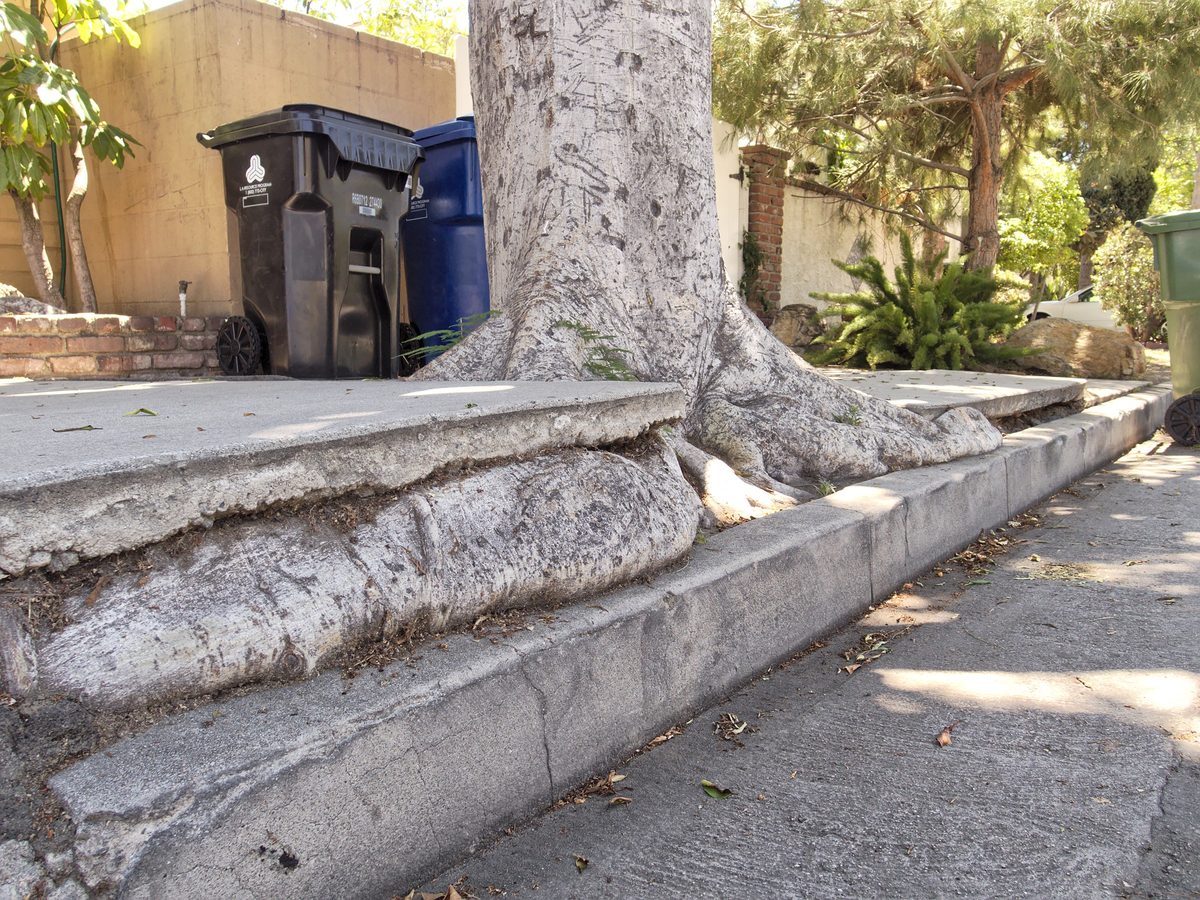
Driveways here have had 30 or more years of heat, cold and clay movement. Panels tilt, edges lift and gaps open at the street. Leveling brings sections back into line, reduces trip hazards and restores drainage away from the garage. If a slab is crumbling throughout, replacement may be the better value. Gaps at the apron where the drive meets the street are a common trouble spot here.
Driveway & Sidewalk Leveling for Wells Branch homes
Driveways in Wells Branch are short, often two cars wide and only 20 to 30 feet long, but they carry a lot of weight in a small space. Settling usually appears at the street end, where the apron meets the curb, or at the garage end, where water collects. A dropped section near the curb can bottom out a car, and one near the garage can push water toward the door. These are problems that a targeted lift can solve in a morning. Small driveways concentrate the problems. A two-car pad that sinks near the street can send every storm toward the garage. Lifting just that corner often restores the pitch, and it can take about half a day. The key is matching the slope to the existing driveway and the curb, so the final surface drains instead of ponding.
Sidewalks matter just as much here. The neighborhood has a trail network that connects to Walnut Creek Metropolitan Park, and many residents walk or bike on neighborhood sidewalks. Raised edges are a trip hazard for walkers and a problem for strollers and wheelchairs. Public sidewalks may be handled by the MUD, county or city rather than the homeowner, so ask before paying for repairs to a walk along the street. Trail users and walkers notice what drivers do not. A panel edge that sits half an inch high is easy to roll over in a car, yet it catches shoes and small wheels. Walking the full length of your sidewalk with a stick or a tape measure, and marking each lip, gives you a repair list. Lifting or grinding can then address them in one visit.
Before lifting, look at why the panel dropped. Common causes include a leaking irrigation line, water from a downspout running across the driveway, tree roots or a poorly compacted base. Sealing the joints and sending water elsewhere makes the lift last. Foam and mudjacking both lift driveway panels. Foam's light weight is helpful over soft soil, while mudjacking can cover a broad area for less. Costs vary by site and the numbers you see online are general ranges. Compare the options carefully. Foam is lighter and cures quickly, which helps over soft soil and when you need the driveway back soon. Mudjacking uses a heavier cement slurry that often costs less on large areas. Replacement is the right call for badly broken concrete. Ask each contractor to explain why they recommend their approach for your specific driveway.
What to know in Wells Branch
Street-end apron slabs
The panel where driveway meets curb takes wheel loads, water and sprinkler spray. If it drops, water can run back toward the garage. Lifting it and sealing the joint with the street keeps the slope right. Because the apron sits in the right of way, ask what the city or county allows before work.
Trail and sidewalk safety
A lip of more than about a quarter inch can catch a foot or wheel. Grinding can remove small lips, and lifting handles larger drops. Whichever method is used, the goal is a smooth surface that walkers, joggers and cyclists can cross without noticing.
Parked vehicles
Homes with limited garage space often keep cars on the driveway, so the work disrupts daily life. Plan for a few hours without access. Foam cures fast, but mudjacking needs more time. Arrange where cars will sit and tell neighbors if the street is blocked.
Signs you may need driveway & sidewalk leveling
- A raised or sunken lip between driveway panels
- Sidewalk squares that tilt or rock when stepped on
- Water pooling at the garage door or curb
- Gaps between the slab edge and the soil
How driveway & sidewalk leveling works
Foam, or polyurethane, leveling is the most common choice for driveways in our work. The foam is a lightweight material that expands under the slab and hardens quickly. Contractor sources put its weight at roughly 2 to 4 pounds per cubic foot, and describe a cure measured in minutes. Holes run about five eighths of an inch. Mudjacking uses a heavier slurry of cement, soil and water through larger holes, with a longer wait before traffic returns. For a driveway, the cure time matters. If you need to move a car out of the garage the same day, a faster-setting material is helpful. Always ask how long to wait before parking on the repair, since panels that carry vehicles need the material to reach working strength.
Not every drop is the same. A panel that has simply dropped on one edge is a good candidate. A panel with a diagonal crack across the middle might separate when lifted, because the two halves behave as separate slabs. A panel with many hairline cracks may be fine. We read the pattern before we promise anything, because the cracks tell us how the concrete will react. Thickness also counts. Residential driveways are commonly four inches thick, though some are thicker near the garage. Thin concrete lifts with less margin for error, so injection is done slowly and the lift is measured as it happens. Cracks that run through a panel from edge to edge often split it into two slabs that move on their own, so we explain the odds of breakage plainly before work starts. A hairline crack that does not shift is usually fine to lift.
What to expect on a Wells Branch visit
- 01
Survey the panels and joints
We walk the driveway or sidewalk and measure each step with a straightedge. Cracks, joint gaps and surface wear are noted. We also look at the roofline, irrigation heads and trees to find what is feeding the problem. A short list of the worst panels is written down, along with photos, so you can compare before and after.
- 02
Choose the lift approach
Depending on slab thickness, weight and the lift needed, we discuss foam or mudjacking and recommend the better match. For thin or heavily cracked panels we explain the risk of breakage and when replacement may be wiser. We also look at slab edges for spalling, since crumbling edges can break away when injection pressure rises.
- 03
Call 811 and mark holes
Texas811 gets the notice at least two business days before drilling. Meanwhile, we mark a hole pattern on each sunken panel so lift is spread evenly and nothing is drilled near known lines or reinforcing steel. Holes are generally set in a grid across the sunken panel, with extra points near edges where panels hinge downward.
- 04
Drill and inject gradually
Holes are drilled through the panel, and material is injected in small amounts. We track the rise with levels and string lines, moving between holes so the panel lifts flat instead of tipping. Foam is metered slowly, and if a panel starts to crack or rock, we stop and talk through whether to continue.
- 05
Match adjacent panels
Each panel is raised to meet its neighbors, with attention to drainage direction. A driveway has to shed water away from the garage, so we confirm the final slope instead of just closing the gap. We test drainage with water and check the apron by the garage door, where even a small reverse slope can send water inside.
- 06
Patch holes and set the cure window
Holes are patched, and the surface is cleaned. We explain how long to keep vehicles off the panels and which water source to fix so the repair stays level. Keep cars, trailers and delivery trucks off the repaired panels until we tell you the cure window has passed. A quick walk-through at the end confirms nothing was missed.
Our approach in Wells Branch
- We walk the property in Wells Branch and trace where water comes from, where it collects and where it can legally go
- We explain what we find in plain language, with photos where they help
- Repairs and installs are planned around Travis and Williamson Counties permitting requirements
- You get written options before any repair work begins
- We call 811 to mark buried utilities before any digging
Soil and drainage conditions around Wells Branch
Governance here is a little unusual. Wells Branch has long been served by a Municipal Utility District that funds parks, pools and trails, so the MUD may care about what happens in greenbelts and shared drainage areas. Depending on where your home sits, the county, the MUD and your HOA or condo association can each have a say over grading, fences and work near drainage channels. We could not verify specific permit rules for the area, so check with your MUD, the relevant county office and your HOA before regrading, building in a drainage easement or tying into a shared storm line. Texas Water Code Section 11.086 also prohibits diverting surface water in a way that damages a neighbor's property. Always call 811, since Texas law requires notice two business days before you dig, even in your own yard.
Driveway & Sidewalk Leveling questions from Wells Branch homeowners
Who is responsible for a raised public sidewalk?
It depends on the entity that owns the sidewalk and local rules. Some governments repair public sidewalks, and others expect owners to keep their frontage safe. Wells Branch has the MUD, counties and the City of Austin nearby, so call to find out who covers your block. Ask how the crew protects the lawn edges and the curb during the work.
How soon can I drive on a lifted driveway?
Foam often supports foot traffic within minutes and vehicle traffic within a short time, while mudjacking takes longer to set. Your contractor will give a specific time for the product they use. Avoid heavy trucks or deliveries until they say it is safe. Cracks remain after lifting, so plan joint sealing as a follow-up.
Should I lift or replace an old driveway?
If the concrete is mostly sound with a few dropped panels, lifting is usually faster and cheaper. If the concrete is crumbling, heavily cracked or badly broken, replacing may be better. A quick inspection shows which makes sense. Keep photos of the original drop to compare against the finished job.
Do I need a permit?
Work on your own driveway usually does not, but sidewalks and aprons in the city right-of-way may. Rules differ by city and HOA, so check with them before scheduling. Texas also requires an 811 call at least two business days before any drilling or digging. If you rent or have an HOA, ask the board in writing, so you have the approval on file before the contractor arrives.
Can a driveway be leveled instead of replaced?
Often yes, if the concrete is mostly sound. Leveling lifts the sunken panel without breaking it out, which avoids demolition and new concrete. If a panel is crumbling or badly cracked, replacement may be the better choice. A site visit is the only way to know for sure. Bring photos from before the work, and ask about edge condition, since crumbling edges can limit what lifting can do.
How soon can I drive on the repair?
Foam generally cures in minutes, but vehicle traffic puts heavy load on the slab, so confirm the wait time for your job. Mudjacking needs more time to set. Ask the contractor for a clear window and keep vehicles off until it passes. If you have a heavy truck or trailer, tell the contractor, since those loads need a longer wait than a family car.
More about driveway & sidewalk leveling → · All services in Wells Branch →
Need driveway & sidewalk leveling in Wells Branch?
Call or send a request. We will look at where the water goes, check the grade and give you a written estimate.