Georgetown · Williamson County
Yard Drainage & Regrading in Georgetown, TX
Hillside lots in Georgetown need swales and grading that slow water and steer it around the house and toward the street. Flat clay lots need gentle fall away from the slab. We look at what comes from uphill, check for erosion paths and fix the grade before adding pipe, since regrading can solve a problem on its own. We also check for erosion paths before any soil is moved.
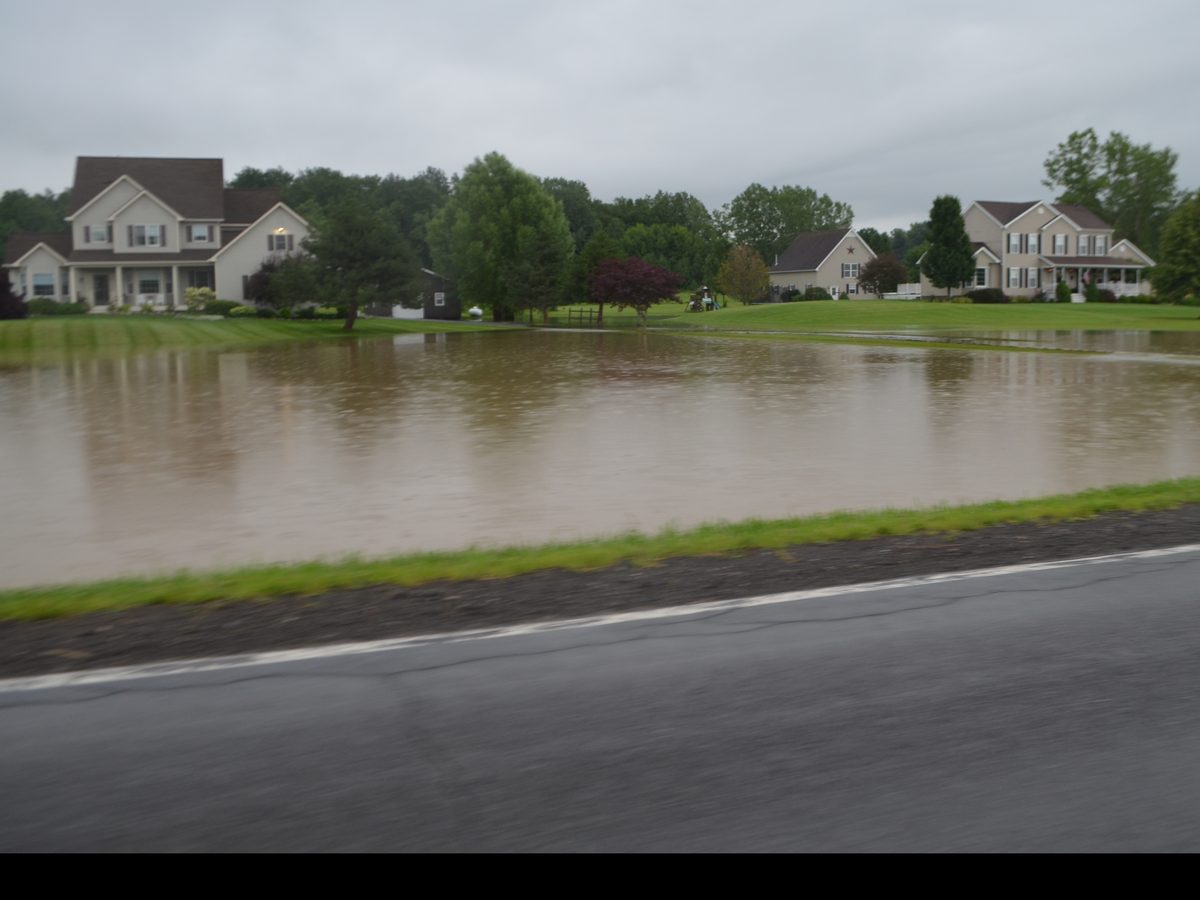
Yard Drainage & Regrading for Georgetown homes
Yard drainage problems in Georgetown vary a lot from one side of town to the other. On the older streets near downtown and the Square, lots were laid out long before modern grading plans, and the original slopes may have been altered by decades of additions, driveways and fences. Water that once ran freely across a block now gets stopped by walls and raised beds. The result is usually a damp corner, a muddy side yard, or a crawlspace that stays moist after storms. Homes near the Square often have mature live oaks whose roots and shade change how a yard dries. A shaded corner can stay wet for a week after rain, and raising the soil there without a drain only moves the problem.
West of I-35, the terrain rolls toward the North and South forks of the San Gabriel River, and many lots are cut into hillsides. The danger there is runoff speed. Thin topsoil over limestone does not slow water much, so rain races across the surface and can erode soil, undercut landscape walls and carve gullies along fences. Regrading on those lots often means building a gentle swale to redirect flow, adding rock or turf to slow it, and keeping it from heading into the neighbor's yard. Along the creek corridors, flood maps matter more than yard grade. If your lot sits near the San Gabriel or one of its tributaries, check the city floodplain information before building up the soil, since filling in a floodplain can require approval.
East of the interstate the problem flips. Deep Blackland clay on flatter ground holds water, and puddles linger. There the fix is usually shaping the soil to fall away from the house, then adding a drain or basin to pick up what grading cannot move. A slope of about six inches over the first ten feet from the house is a common target, but your lot may differ. Check with the City of Georgetown or your HOA about grading and drainage rules, especially for work near a drainage easement. When the soil is deep clay, we often shape the ground first and let it settle through a wet cycle before adding sod. That way the grade you pay for is the grade you end up with, not one that sags after the first storm.
What to know in Georgetown
Know which side of town you are on
Rocky ground west of I-35 sheds water fast and erodes. Clay east of the interstate holds water and swells. The same symptom, a wet yard, can need opposite fixes. A site visit that notes soil depth and slope is the best way to choose the right approach. Take a photo with a string line or a level to show the slope you have before any work.
Hillside lots and runoff
On sloped lots, regrading often means redirecting water along a gentle swale instead of trying to stop it. A swale that ends at a neighbor's fence is a problem. Water Code Section 11.086 does not let you divert surface flow in a way that damages someone else's property. Ask whether your lot is in a mapped floodplain before adding fill. Georgetown posts flood information for residents.
Older neighborhoods and easements
Streets near downtown can have old utility and drainage easements that do not show up on a quick look. Before you reshape the grade, ask the city what is recorded for your lot, and call 811 so buried lines are marked. Some easements limit what can be built or moved. Dense turf on a slope slows runoff far better than bare soil, so plan to re-sod quickly.
Signs you may need yard drainage & regrading
- A yard that stays muddy or squishy for days after a storm
- Water entering the garage or crossing a driveway toward the slab
- A neighbor's yard sitting higher and sending water to your lot
- Water pooling within a few feet of your foundation after rain
How yard drainage & regrading works
Not every wet yard is a grading problem, and that is worth checking before anyone digs. A patch that stays soggy even in dry weather can point to a leaking irrigation valve, a cracked supply line, or a slab leak, which a plumber or irrigation specialist should evaluate. A flat lot with no fall at all may need more than surface work, such as a French drain, a catch basin, or a dry well. Downspouts that dump at the foundation are another common source. A quick test is to run a hose on a dry day at the suspect area and see whether the water moves away or sits there, then compare that with where the yard stays wet after rain. That small test often saves a homeowner from paying for the wrong repair.
Rules and approvals matter more than most homeowners expect. Many cities in Travis and Williamson Counties have lot grading standards, and some neighborhoods have drainage easements recorded along rear or side lot lines. Altering the grade inside an easement can require city approval, and an HOA may need to review changes that affect the look of the lot. These details vary by city, so check with your city or HOA before work begins. Calling Texas811 at least two business days before any digging is also required, and it protects you from striking a buried line while reshaping the yard. A good plan covers the rules, the utilities, and the slope together before any soil moves. Keep copies of approvals for future buyers.
What to expect on a Georgetown visit
- 01
Observe how water moves
The most useful information comes from the water itself. We look at the lot after rain, mark where water enters, pools, and leaves, and note downspout locations, neighboring grades, and fence gaps. Your photos and notes from past storms help us see what a dry-day visit cannot. We also check for signs of leaks that grading cannot solve.
- 02
Measure the grade
We shoot elevations with a laser or transit level across the yard and along the foundation. That tells us how much fall exists now and how much soil must move. We compare readings to the common guidance of about six inches of drop in the first ten feet from the house, then plan around what the lot allows.
- 03
Locate utilities and review rules
Texas law requires a call to 811 at least two business days before digging. We mark the work area and also look for private irrigation lines and easements. Any plan that touches an easement, a shared lot line, or an HOA-controlled feature is checked with the city or HOA before we start moving soil.
- 04
Reshape the ground
We pull mulch and topsoil back from the foundation, add compacted clean fill where low areas need building up, and cut swales where water needs a path. Soil is placed in lifts and compacted so it does not settle into a new bowl after the first heavy rain. The finish grade is checked again with the level.
- 05
Add structure where grading alone is not enough
Some lots need help from a catch basin, channel drain, French drain, or downspout extension to complete the water path. We tie these pieces into the new grade so water reaches a legal, safe outlet. Adding hardware only where the slope cannot do the job keeps costs reasonable and the yard looking natural.
- 06
Restore and stabilize the surface
Bare clay erodes quickly in a Texas downpour, so the new grade needs cover. We replace sod or seed with erosion control, and rake mulch back at a safe distance from the slab. We then walk the site with you and explain what to watch after the first two or three real rainstorms.
Our approach in Georgetown
- We walk the property in Georgetown and trace where water comes from, where it collects and where it can legally go
- We explain what we find in plain language, with photos where they help
- Repairs and installs are planned around Williamson County permitting requirements
- You get written options before any repair work begins
- We call 811 to mark buried utilities before any digging
Soil and drainage conditions around Georgetown
The San Gabriel River is the defining water feature. Two dams on the river created Lake Georgetown and Granger Lake. Before those dams, periodic large but short floods shaped the river bottoms east of town, which are now wooded with oak and pecan. Smaller creeks and draws feed the river, and many neighborhoods have drainage channels or greenbelts running between lots. Terrain is hilly on the western side, so water moves quickly downslope and can cut channels through beds and gravel, wash out mulch and push soil toward the street. On the flatter east side, runoff spreads out and slows. We study the slope of your lot, and the lots above it, before suggesting any fix. Lake Georgetown sits on the North Fork of the San Gabriel River west of town, and the city's creeks and draws feed the river system below it, so a lot near a draw may carry fast water after a storm.
Yard Drainage & Regrading questions from Georgetown homeowners
Why does my Georgetown yard flood in one spot only?
Usually that spot is the low point of the lot, or a place where something blocks flow, like a wall, a driveway edge or a raised bed. Rain runs toward it and stops. A site walk during a storm shows exactly where water enters and leaves, which helps decide between regrading and a drain. Heavy storms can overwhelm any yard, so also check gutters and downspouts as part of the fix.
Can regrading stop erosion on a Georgetown hillside?
It can help by slowing and redirecting water, but slopes usually need more than soil. Turf, rock lined swales, or a small retaining feature can hold the ground. If a retaining wall is failing or taller than a few feet, bring in an engineer, since that is beyond yard drainage. Retaining walls over about four feet generally call for engineering, so ask the city about requirements.
How much slope should the soil have next to my house?
A common target is about six inches of fall in the first ten feet from the foundation, with soil kept below the brick line or siding. Rocky or clay conditions can affect what is practical. Stand-alone slope is not enough if water has nowhere to exit, so the outlet matters too. Slope matters, but so does the outlet. Soil can slope perfectly and still pond if water has nowhere to go.
Why does water pool by my foundation even though I have gutters?
Gutters collect roof water, but the downspouts still release it onto the ground. If they end next to the slab, or the soil beside the house has settled, the water pools there anyway. Extending downspouts several feet away or burying them, and rebuilding the slope near the wall, usually stops it. Check for clogged gutters and cracked splash blocks too. Checking all of those takes about an hour.
Can good drainage protect my foundation in clay soil?
It helps a great deal. On expansive clay, foundations suffer when soil near the edges stays wet while the soil under the middle dries. Keeping water away from the slab evens those swings out. It is not a structural repair. If you see widening cracks or sticking doors, a structural engineer should evaluate the house first. Drainage is a protective step, not a structural fix.
How soon after rain should I check my yard?
Walk the yard during or just after a heavy storm and take photos. Look for where water collects, where it runs, and how long it stays. Then check again after 24 and 48 hours. Water that is gone within a day is behaving normally for clay. Water that lingers for several days is worth having a pro evaluate. Photos with timestamps help a lot.
More about yard drainage & regrading → · All services in Georgetown →
Need yard drainage & regrading in Georgetown?
Call or send a request. We will look at where the water goes, check the grade and give you a written estimate.